Walk-in Bathtub Installation: Enhancing Safety and Luxury in Your Bathroom
May 29, 2026
Bathroom safety has become a growing priority for homeowners seeking comfort, accessibility, and long-term independence without sacrificing style. Walk-in bathtub installation has emerged as a practical solution for individuals who want a safer bathing experience while maintaining a modern and luxurious bathroom environment. Traditional bathtubs often present risks associated with stepping over high tub walls, slippery surfaces, and limited mobility support. Walk-in bathtubs address these concerns through low-entry thresholds, built-in seating, secure handrails, and advanced safety features designed to reduce accidents and improve convenience. As more homeowners plan aging-in-place renovations and accessibility upgrades, walk-in bathtub installation continues to gain attention across the home improvement industry.
Beyond safety, walk-in bathtubs also contribute to relaxation, therapeutic comfort, and increased property value. Modern models include hydrotherapy systems, heated seating, quick-drain technology, and customizable designs that blend seamlessly with contemporary bathroom layouts. Homeowners no longer need to choose between functionality and visual appeal because walk-in tubs now offer both. Whether addressing mobility limitations, preparing a home for future accessibility needs, or upgrading a bathroom with premium features, walk-in bathtub installation represents a valuable investment. Understanding the installation process, benefits, design considerations, and maintenance expectations helps homeowners make informed decisions that support both comfort and long-term usability.
Why Walk-in Bathtubs Have Become a Preferred Bathroom Upgrade
Growing Demand for Safe and Accessible Bathrooms
Many homeowners are redesigning bathrooms to create safer and more accessible living spaces that support long-term independence. Bathrooms contain slippery surfaces, sharp edges, and confined layouts that increase the risk of injuries, especially for older adults and individuals with mobility challenges. Walk-in bathtubs help reduce these concerns by offering easier entry and exit through low-threshold doors and stable seating areas. Unlike traditional tubs that require users to step over high walls, walk-in tubs minimize physical strain and provide additional balance support.
Aging-in-place remodeling has also influenced the popularity of walk-in bathtubs. Homeowners increasingly want renovations that allow continued comfort and mobility within the same home for many years. Installing a walk-in bathtub helps create a bathroom environment that accommodates changing physical needs without requiring major future renovations. Families caring for aging relatives also recognize the value of accessible bathing solutions that improve safety while preserving privacy and dignity.
Combining Luxury With Practical Functionality
Modern walk-in bathtubs provide more than accessibility features. Manufacturers now design tubs with premium finishes, therapeutic jets, chromotherapy lighting, and heated surfaces that transform bathrooms into relaxing wellness spaces. Homeowners who once associated accessibility products with institutional appearances now have access to elegant designs that complement upscale interiors.
Hydrotherapy remains one of the most attractive features associated with walk-in bathtub installation. Warm water circulation and massaging jets may help soothe sore muscles, reduce joint discomfort, and promote relaxation after long workdays. Many homeowners recovering from injuries or managing chronic discomfort appreciate the calming environment provided by therapeutic bathing systems.
Walk-in tubs also support water efficiency through carefully designed fill systems and insulated construction. Advanced engineering helps maintain water temperature while reducing unnecessary heat loss. This combination of comfort, safety, and thoughtful design has positioned walk-in bathtub installation as both a practical and lifestyle-focused bathroom improvement.
Important Features to Consider Before Installation
Low Threshold Entry and Secure Access
One of the most important elements of a walk-in bathtub is the low-entry threshold. This feature allows users to enter and exit the tub with minimal lifting or stepping. A lower threshold significantly reduces the risk of slips and falls, especially for individuals with limited mobility or balance concerns.
Built-in handrails provide another layer of safety during bathing. Securely positioned grab bars support movement while entering, sitting, standing, and exiting the tub. Textured flooring also improves stability by reducing slipping hazards caused by soap and water buildup.
In many households, caregivers assist family members during bathing routines. Walk-in bathtubs simplify this process by creating safer access points and reducing awkward physical movements. Properly designed tubs support safer caregiving while improving comfort for everyone involved.
Seating, Door Design, and Drainage Systems
Integrated seating remains a defining characteristic of walk-in bathtubs. Comfortable seating allows users to bathe in a relaxed upright position instead of lowering themselves to the floor of a traditional tub. This design helps reduce physical strain on knees, hips, and joints.
Door design also plays a critical role in overall functionality. High-quality watertight doors help prevent leaks while providing smooth operation for daily use. Inward-opening and outward-opening doors each offer different advantages depending on bathroom layout and mobility needs. Homeowners should evaluate available space and user accessibility before selecting a specific design.
Drainage systems deserve careful attention during the selection process. Because users remain seated inside the tub until water drains, fast-drain technology improves convenience and comfort. Dual-drain systems and larger drain pipes help reduce waiting times and create a better bathing experience.
Therapeutic and Comfort Features
Many homeowners choose walk-in bathtubs for wellness benefits in addition to safety improvements. Hydrotherapy jets deliver targeted water pressure that may help relieve tension, soreness, and stiffness. Air jets create gentle bubbling sensations that promote relaxation and improve the overall bathing atmosphere.
Additional comfort features often include heated seating, aromatherapy options, adjustable shower wands, and neck support cushions. Some tubs also offer digital controls that simplify temperature adjustments and system operation. These additions help personalize the bathing experience while supporting greater convenience.
Choosing the right features depends on household priorities, mobility needs, and long-term usage expectations. A carefully selected walk-in bathtub balances safety requirements with personal comfort preferences and bathroom aesthetics.
Understanding the Walk-in Bathtub Installation Process
Bathroom Evaluation and Space Planning
Successful walk-in bathtub installation begins with a detailed evaluation of the existing bathroom layout. Proper measurements ensure the selected tub fits comfortably within the available space while maintaining accessibility around surrounding fixtures. Plumbing connections, wall structures, flooring conditions, and doorway widths all influence installation planning.
In some homes, older bathrooms require modifications before installation can begin. Plumbing lines may need adjustments to support updated drainage systems or water supply requirements. Electrical upgrades may also become necessary when installing hydrotherapy systems or heated components.
Space planning helps homeowners maximize functionality without overcrowding the bathroom. Installers often recommend layouts that allow easier movement around the tub while preserving access to sinks, toilets, and storage areas. Careful planning reduces delays and helps prevent unexpected renovation complications.
Removal of Existing Fixtures and Preparation
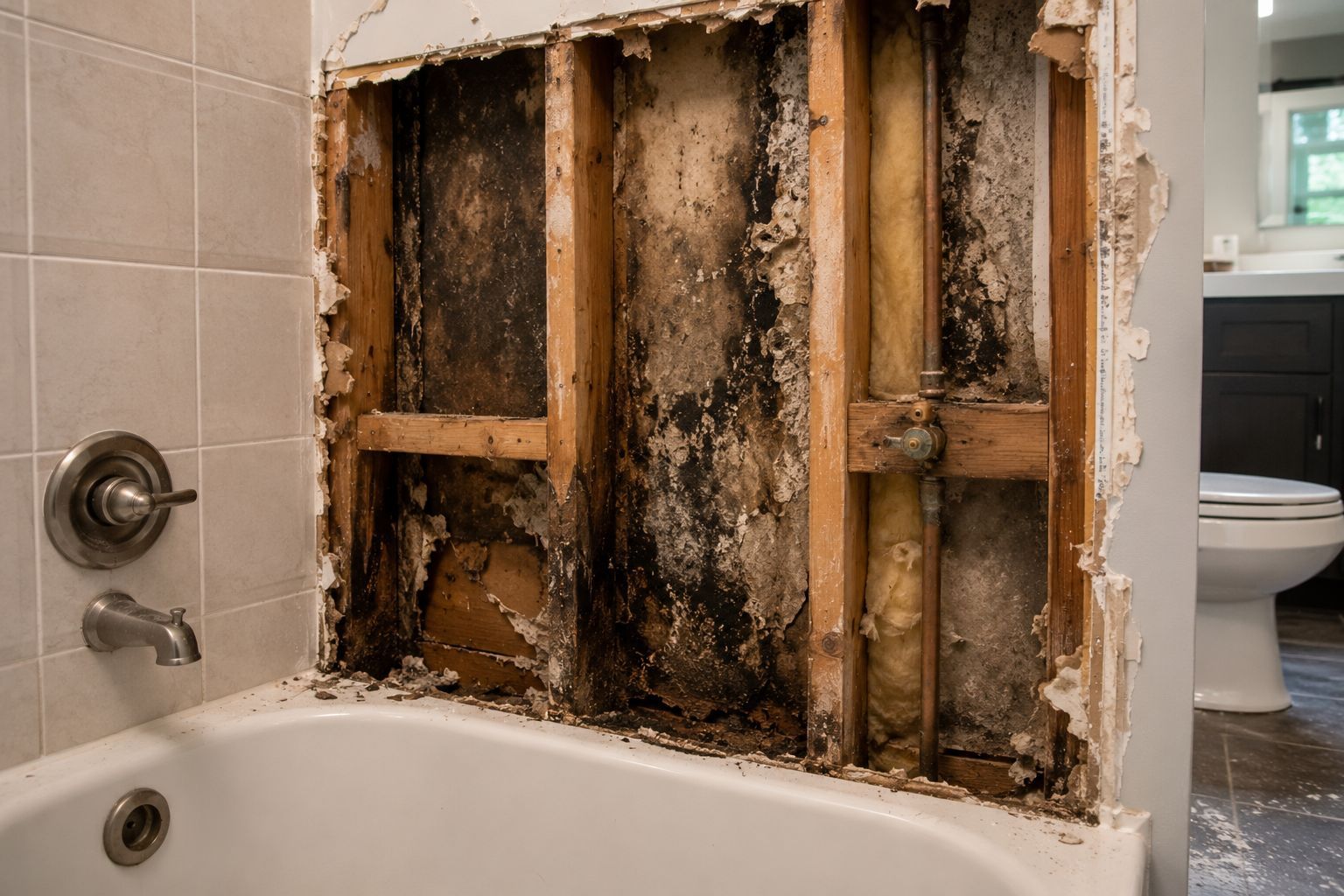
The installation process typically begins with removing the old bathtub or shower enclosure. During this stage, installers inspect surrounding structures for hidden water damage, mold, weakened flooring, or outdated plumbing materials. Addressing these issues before installing the new tub helps protect long-term performance.
Floor reinforcement may become necessary in some homes because walk-in bathtubs are often heavier than standard tubs, particularly when filled with water. Proper structural support helps maintain stability and prevents future flooring problems.
Wall surfaces surrounding the installation area may also require updates to accommodate waterproof materials and modern finishing systems. Many homeowners choose to refresh surrounding tiles, lighting, and storage features during the renovation process to create a cohesive bathroom design.
Installation, Testing, and Final Adjustments
Once preparation is complete, installers position the walk-in bathtub and connect plumbing, drainage, and electrical systems. Precision during this stage is essential because improper alignment or sealing can create leaks and operational issues.
After installation, comprehensive testing verifies that doors seal correctly, drainage systems function properly, jets operate smoothly, and water temperature controls respond accurately. Installers also inspect safety features such as grab bars, seating stability, and anti-slip surfaces.
Final walkthroughs help homeowners understand operating instructions, maintenance recommendations, and emergency safety procedures. Professional installation ensures the tub performs as intended while meeting building code requirements and manufacturer specifications.
Dedicated Walk-in Bathtub Experts Serving Local Homeowners
Walk-in bathtub installation offers a practical combination of safety, accessibility, comfort, and luxury for modern homeowners seeking better bathroom functionality. From reducing fall risks to supporting long-term independence, walk-in tubs address important concerns while creating a more relaxing bathing experience. Features such as low-threshold entry, secure seating, hydrotherapy systems, and modern design options make these bathtubs suitable for a wide range of households and mobility needs.
Homeowners seeking dependable walk-in bathtub installation services can rely on River City Bath in South Park Township, Pennsylvania for knowledgeable guidance and professional craftsmanship backed by 22 years of industry experience. Our approach focuses on creating bathrooms that balance safety, comfort, visual appeal, and long-term practicality for every household. We understand that bathroom remodeling involves more than replacing fixtures because each project directly affects daily comfort, accessibility, and peace of mind.
Our experience with walk-in bathtub installation allows us to help homeowners select designs that match mobility needs, layout requirements, and personal style preferences without compromising quality or functionality. From initial planning through final installation, we prioritize durable materials, precise workmanship, and thoughtful design solutions that support lasting performance. Whether homeowners want enhanced accessibility, therapeutic bathing features, or a complete bathroom upgrade, we provide personalized recommendations based on the unique goals of each project.
Bathrooms should support safety and relaxation while complementing the overall appearance of the home. Our commitment to dependable service, transparent communication, and professional installation has helped homeowners throughout the region improve comfort and confidence within their bathrooms. River City Bath
continues to provide trusted remodeling solutions designed to support long-term satisfaction and everyday convenience.