Old Tub You Never Use Taking Up Space? Why a Tub-to-Shower Conversion Makes Sense
September 13, 2026
Quick Answer: If the tub in your bathroom hasn't held water in months, it isn't a bathing fixture anymore. It's a shelf for shampoo bottles and a place the shower curtain hides. Converting it to a shower gives that footprint back to you as usable room: a bigger showering area, a bench, real storage, or just space that doesn't make the bathroom feel cramped every time you walk in. Most homeowners who remove a tub do it specifically to gain shower space, and the large majority still have a tub somewhere else in the house.
The Tub Nobody's Used Since the Kids Were Small
Walk into a lot of bathrooms in Bethel Park or Baldwin that were built between the 1960s and the 1980s, and you'll find the same setup: a standard tub-shower combo, installed because that's what the builder put in every unit on the street, not because anyone asked for a soaking tub. For a while it got used: bathing toddlers, the occasional long soak after a long week. Then the kids grew up, the routine shifted to quick showers before work, and the tub quietly stopped being a bathing fixture. Now it holds a laundry basket, a stack of bath toys nobody's picked up in years, or a half-empty bottle of bubble bath from a birthday three Christmases ago.
That's a familiar pattern in this part of Pennsylvania. Homes in South Park Township, Upper St. Clair, and Jefferson Hills went up in waves during the same building booms, which means a lot of them still carry the same builder-grade tub in the same spot, decade after decade, regardless of whether the household inside ever uses it. You don't need a survey to know this; you know it because you've stepped over the tub wall to grab a towel, or watched a guest hesitate before figuring out how to actually get in and take a shower.
The tub isn't doing its job. It's just sitting there, taking up thirty inches of a bathroom that could be doing something more useful.
Tip: Before you decide anything, track how the tub actually gets used for two or three weeks. If it's holding laundry, cleaning supplies, or nothing at all more often than it's holding water, that's a clearer signal than any design magazine about whether it belongs in your bathroom's future.
Why Bathtubs Fall Out of Use Long Before Anyone Thinks About Remodeling
The shift away from bathing usually isn't a single decision. It's a slow drift. Morning routines get faster. A shower takes a fraction of the time a bath does, and once a household settles into shower-only mornings, the tub becomes something you clean around rather than something you use. National renovation research backs this up: among homeowners who remodel a primary bathroom and choose to remove the tub, the overwhelming majority do it for one reason: they want a bigger shower in that same footprint. It's not usually about hating tubs in the abstract. It's about a fixture that stopped matching how the household actually bathes.
There's a physical piece to this too, and it shows up well before anyone thinks of themselves as needing an "accessible" bathroom. Stepping over an eighteen-inch tub wall while wet and balancing on one leg is an awkward move at any age, and it gets less appealing every year, for a knee that's been bothering you since a fall on the ice last winter, for a hip that aches after a long shift, or just for anyone who'd rather not think about balance every single morning. Long before it becomes a safety conversation, it becomes a mild annoyance that quietly steers people toward showering somewhere else or skipping the bath altogether.
Then there's maintenance. A tub-shower combo has more corners, more caulk lines, and more surface area to scrub than a properly built shower does. Homeowners in Mount Lebanon and Monroeville who've spent a Saturday morning on hands and knees scrubbing tub grout tend to arrive at the same conclusion: if nobody's bathing in it, why keep cleaning it like they are?
What You Actually Reclaim When the Tub Comes Out
Most homeowners are surprised by this: a tub-to-shower conversion doesn't usually mean losing bathroom square footage. It means getting the square footage you already have back in a usable form. A standard alcove tub eats up roughly the same floor area as a comfortable walk-in shower, but the tub wastes most of that space on a deep basin you can't stand in, a curved deck you can't set anything on, and a curtain track that makes the whole room feel smaller than it is.
Pull the tub and build a shower in that same footprint, and you typically pick up:
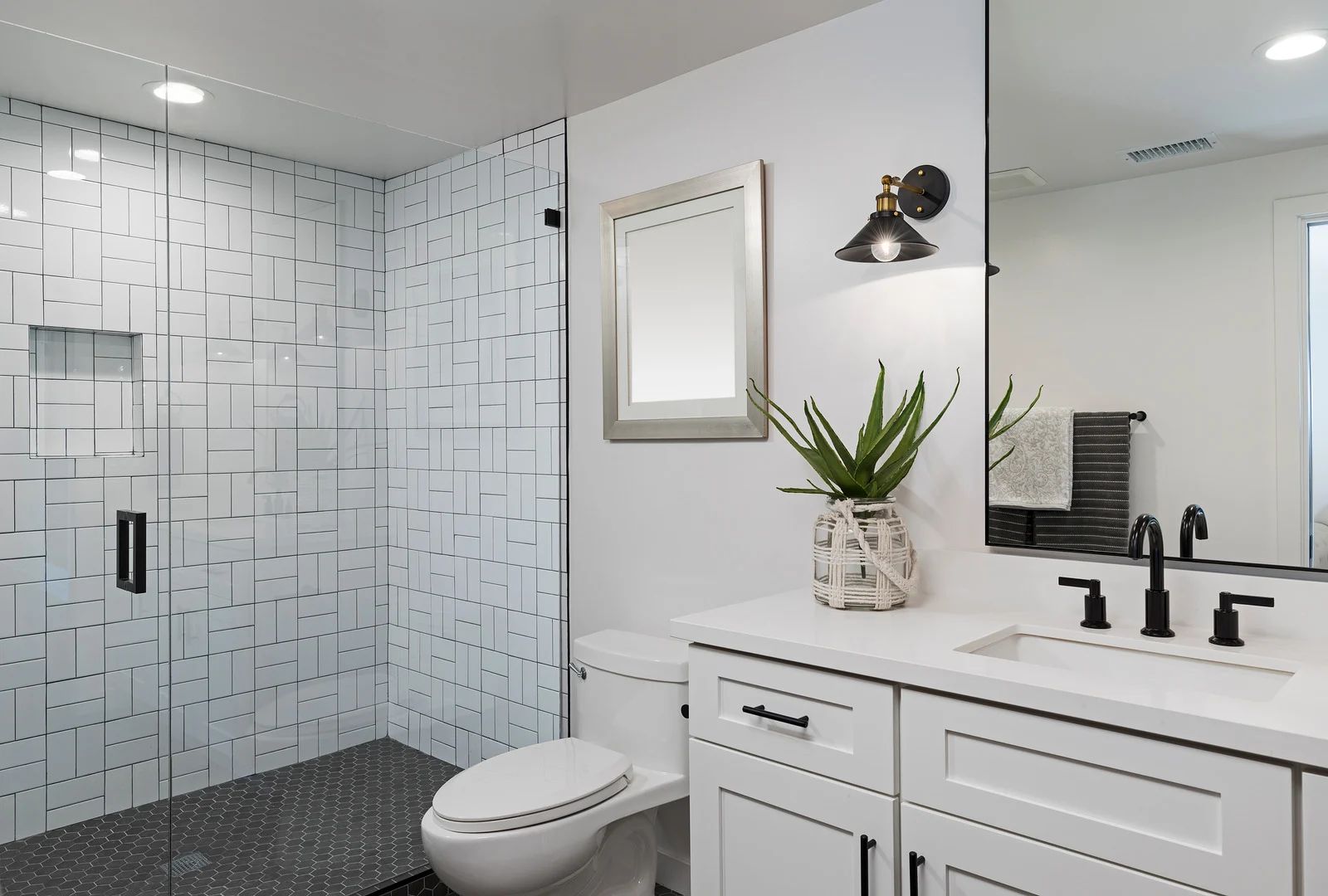
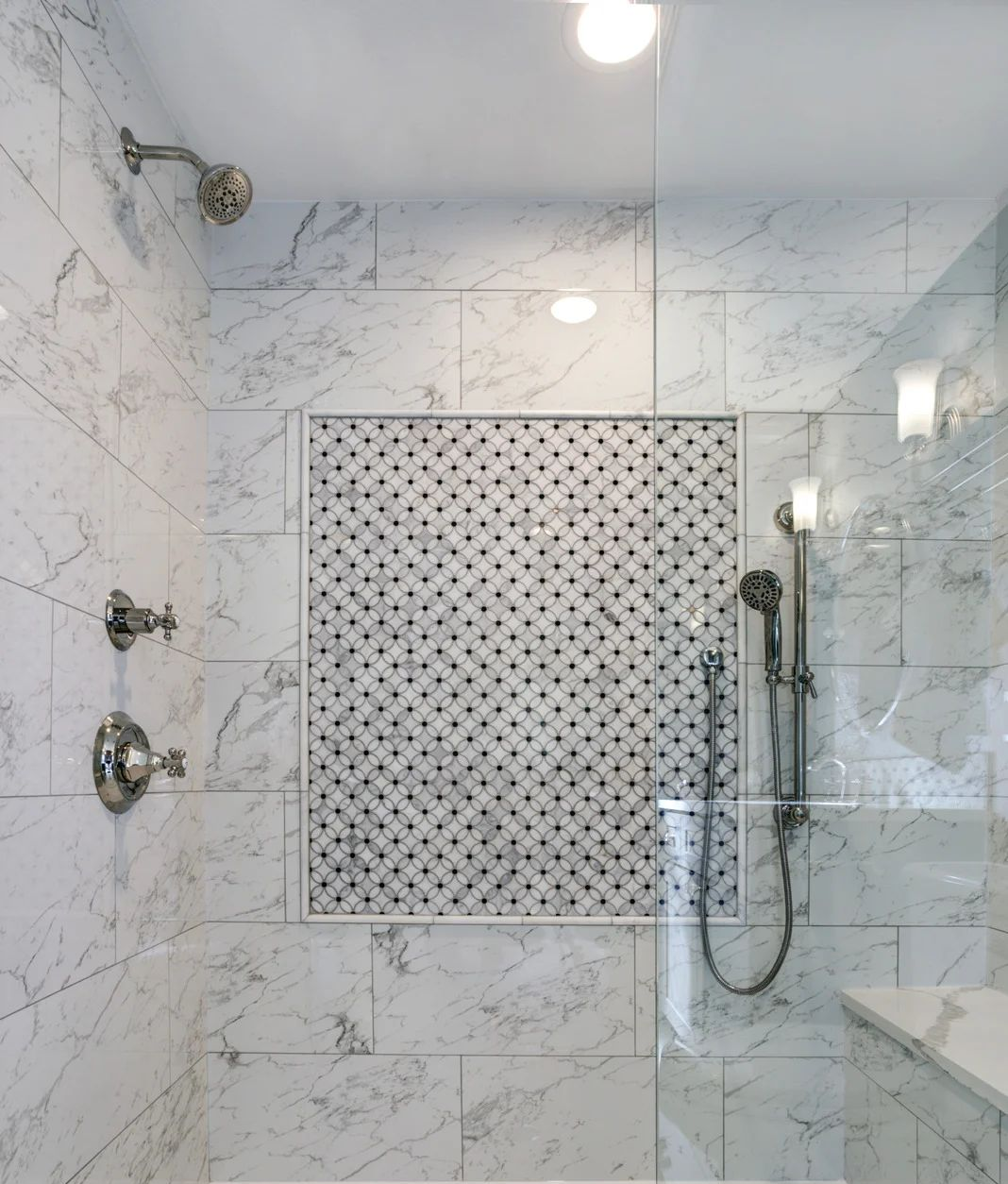
A fold-down or built-in bench where the tub deck used to be. Recessed niches in the wall for shampoo and soap instead of bottles lined up on the tub ledge. A wider door swing or a curbless glass panel that opens the room up visually, even in bathrooms that measure the same five-by-eight they always have. Some homeowners use the reclaimed clearance for a taller linen cabinet or a slightly wider vanity instead of shower features. The point is the space becomes yours to assign rather than locked into a basin shape nobody steps into.
This matters more in older Pittsburgh-area homes than newer ones, because a lot of houses in McKeesport and parts of Baldwin have primary bathrooms that were never generous to begin with. When the only bathroom in the house is a tight five-by-seven, every inch the tub was wasting on unused basin space is an inch you can put back to work.
Deciding Whether Conversion Makes Sense for Your Household
The right call depends less on general trends and more on specifics for the people in your house. A few questions tend to settle it:
Do you have another tub in the house?
If there's a second bathroom with a tub, whether for grandkids' visits, a future family with young children, or just as a selling point down the road, converting the one you never use carries a lot less weight as a decision. Most homeowners who remove a tub during a remodel still have one elsewhere in the home, which is worth knowing if resale is on your mind.
How is the room actually used day to day?
A primary bathroom that's for two adults getting ready for work every morning has a very different case for conversion than a hall bathroom shared with younger kids who still need to be bathed rather than showered.
Are you planning to stay put for a while?
If you're thinking about aging in place in Peters Township or Upper St. Clair for the next couple of decades, accessibility becomes one factor among several worth weighing — a barrier-free entry and a built-in seat make the bathroom work for you now and later, without turning the room into something that reads as clinical. It's one consideration on the list, not the whole decision.
What does your neighborhood's buyer pool actually want?
In family-heavy pockets of Bethel Park and South Park Township, having at least one tub somewhere in the home still matters to some buyers with small children. In areas with more move-up buyers or empty nesters, a larger, updated shower tends to read as the more desirable upgrade. Neither answer is universal — it depends on what your specific street and school district tend to attract.
None of these questions has a single right answer. A retired couple in Jefferson Hills with no plans to host young grandchildren has a different calculus than a young family in Bethel Park building out a starter home for the next fifteen years. The point of asking is to make the decision based on your household, not on a general rule about tubs being outdated.
What Actually Happens During a Conversion
Once you decide to move forward, the process is more contained than most homeowners expect, largely because it works within the tub's existing footprint rather than reworking the whole room. A contractor measures the space, removes the old tub, and evaluates the drain and water supply lines already in place. In most cases those lines stay largely where they are, which keeps the project from turning into a full plumbing overhaul.
From there, waterproofing is the part that actually determines how the shower performs for the next twenty years, even though it's invisible once the job is done. A properly built shower base sits on a sloped pan or a pre-formed foam system designed to move every drop of water toward the drain, backed by a waterproof membrane behind the walls so moisture never reaches the framing. Older homes with a drain that isn't perfectly centered in the tub's old footprint, common in houses built decades ago in McKeesport or South Park Township, aren't a dealbreaker. Linear drain systems and adjustable pan designs can work around an off-center drain without relocating it, which keeps the project simpler than it would have been with older shower-pan methods.
Once the base is set, the wall surround goes in (tile, solid-surface panels, or composite material, depending on the look and the maintenance level you want), followed by the shower door or curtain, fixtures, and any built-in features like a bench, grab bars, or a handheld showerhead. Many tub-to-shower conversions wrap up in a matter of days rather than the weeks a full bathroom gut renovation takes, since the work stays contained to one fixture instead of tearing out the entire room.
That contained timeline is exactly why it's tempting to rush the one step that actually matters most.
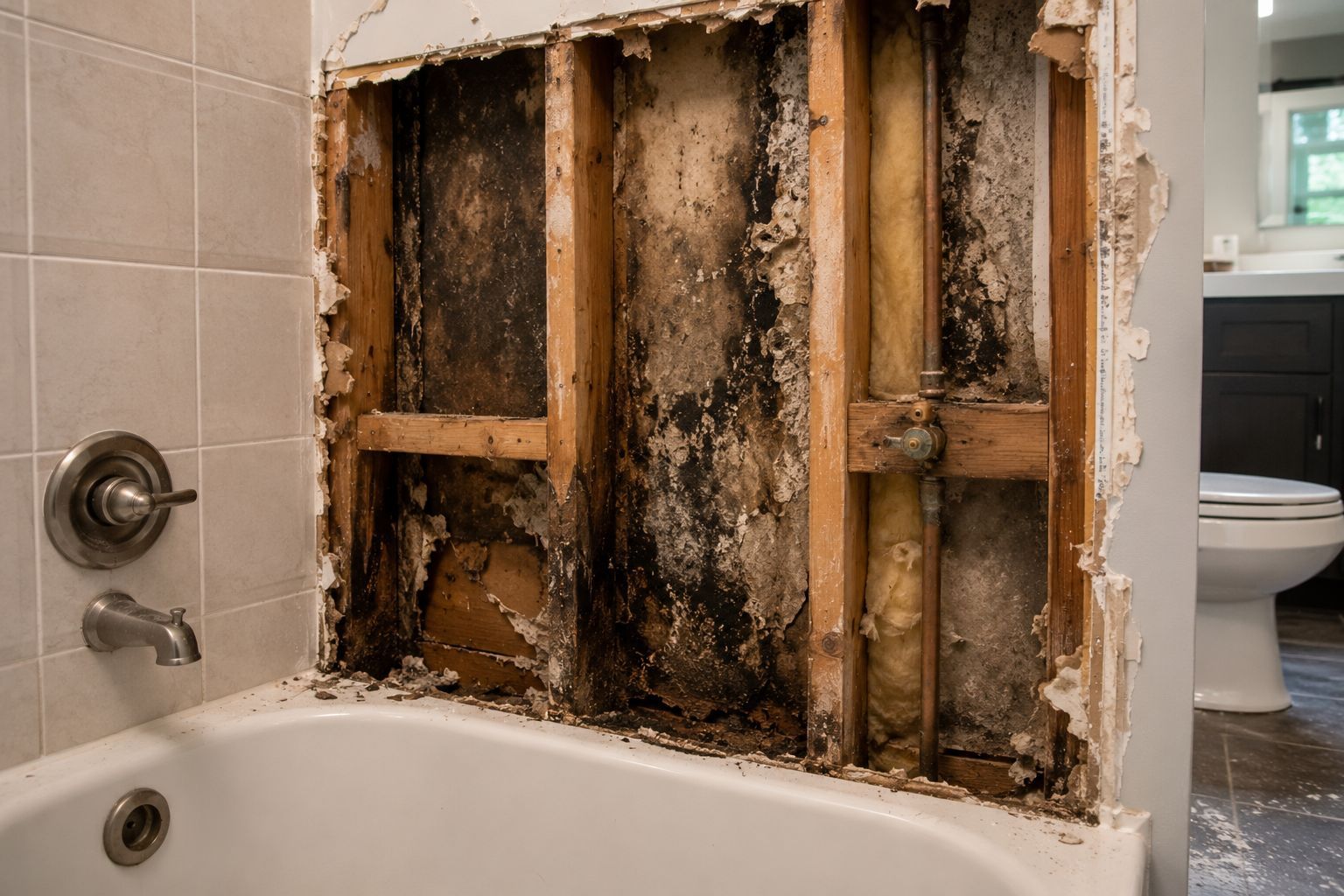
Warning: Don't let a contractor talk you into skipping a proper waterproofing system to save a step. A shower base that isn't correctly sloped and sealed will eventually let water find its way into the subfloor or wall framing, and by the time you notice a soft spot or a musty smell, the damage is already done. This is the one part of the job worth asking detailed questions about before work begins.
Frequently Asked Questions
Do I need to keep at least one bathtub in my house?
No rule requires it, but think it through before converting every tub you own. Most homeowners who remove one still keep a bathtub elsewhere, preserving the option for young kids or future buyers.
Will converting my unused tub to a shower hurt my home's resale value?
Not typically, especially with another tub in the house. Buyers increasingly favor larger, updated showers, and a dated tub-shower combo often reads as a project the next owner would rather not inherit themselves.
How long has my tub actually been sitting unused, and how would I even know?
Most people can't recall the last time they filled it. Check what surrounds it now: laundry baskets, cleaning supplies, or a shower caddy all signal the tub has quietly become storage instead.
Can a shower fit into my bathroom if the tub takes up an odd or narrow space?
Usually, yes. A conversion works within the existing footprint, so an odd alcove that already fits a tub can fit a properly designed shower, thanks to flexible drain and pan systems built for it.
A Fixture That Stopped Matching Your Daily Routine
A tub that has quietly become a shelf is telling you something about how the room gets used. The footprint it occupies never disappears; it simply sits locked in a shape nobody steps into. Reclaiming it as a walk-in shower, a bench, or real storage brings the bathroom back in line with the mornings you actually have. That decision rests on the specific household living with the space, not on a general rule about whether tubs are outdated.
River City Bath
works within the existing tub footprint to shape a shower around the plumbing, the layout, and the way your household lives now, whether that means a simple curbed enclosure or a barrier-free entry with a built-in bench. With 22
years of experience serving homeowners throughout South Park Township, PA, the team treats waterproofing and drainage as the parts that decide how the space holds up long after the reclaimed room starts feeling like your own.